



The Rise of Cryptocurrency and Fintech Companies Seeking Bank Charters
Key Points:
- Cryptocurrency and fintech companies are interested in obtaining bank charters to expand their business under a more industry-friendly administration.
- The Trump administration is perceived as providing more opportunities for bank charter approvals compared to previous administrations.
- While the interest is growing, the process is costly and time-consuming, and it’s unclear how many companies will actually pursue these charters.
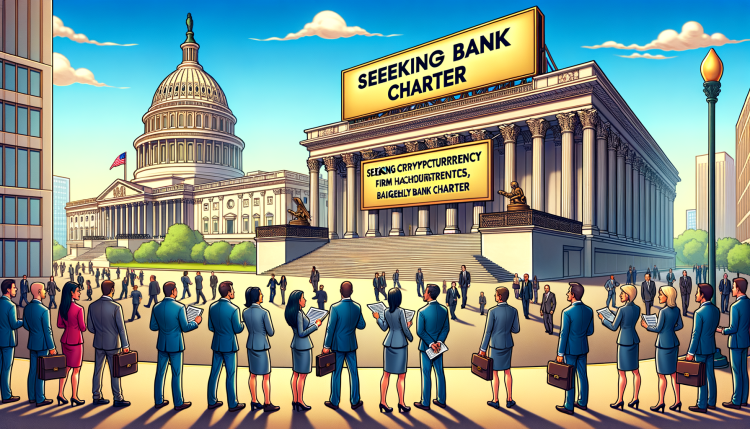
In recent years, there has been a notable decline in the number of new bank charters approved, especially since the financial crisis of 2008. However, with the Trump administration’s more welcoming attitude towards business and industry, cryptocurrency and fintech companies see a window of opportunity to apply for bank charters. A bank charter can provide these companies with a variety of benefits, like greater legitimacy and the ability to function more flexibly in the financial sector. Executives within these industries, as mentioned in a Reuters report, are exploring these opportunities, capitalizing on a perceived shift in regulatory dynamics.
The administration’s approach has created an environment where discussions about obtaining bank charters are becoming more common. While there is a lot of interest, especially from cryptocurrency and fintech companies looking for an edge, the decision to pursue a bank charter is not straightforward. It involves significant barriers such as high costs and rigorous regulatory compliance requirements. Applying for a bank charter can cost tens of millions of dollars, and while it offers benefits, some companies might reconsider if the financial and administrative burdens outweigh potential gains.
Despite the rising interest from tech companies, it’s uncertain how many will go through with the process. Entering the banking industry requires a substantial investment, not just in money but in meeting regulatory standards that are stringent to ensure financial stability and customer trust. However, a successful entry could significantly boost public confidence in these companies. As of now, the extent to which companies will engage in obtaining bank charters remains to be seen, but the trend signifies how innovative financial companies are looking to integrate further with traditional banking structures.
Hot Take: It appears that the Trump administration’s industry-friendly stance has opened doors for cryptocurrency and fintech companies to consider avenues like bank charters to gain credibility and operational advantages. However, the path to obtaining a charter is complex and costly, posing significant hurdles. It will be interesting to see if this environment leads to a real shift in how these companies operate and are perceived. While there is potential for growth and legitimacy, the financial sector remains cautious, considering the volatility associated with digital currencies.