
Key Points
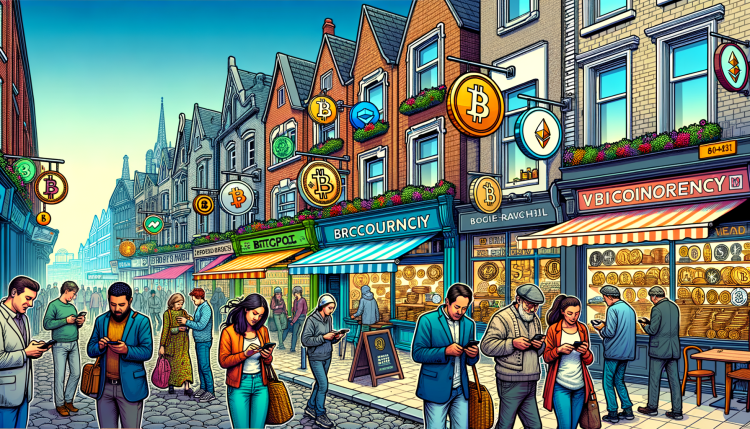
- There is increasing acceptance and use of cryptocurrency payments in the European Union, particularly in retail, food, and beverage sectors.
- A report by Oobit shows that 70% of crypto payments were used for retail and food/beverage, with significant spending also on tourism-related activities.
- The average crypto transaction via the Oobit app is relatively small, indicating regular everyday purchases.
Article Summary
Cryptocurrency is becoming more widely accepted in European countries, with a notable increase in people using digital currencies for everyday purchases. This trend could be attributed to governments in the region creating supportive policies for the use of digital assets, making people more comfortable using crypto to pay for goods and services. The integration of cryptocurrency payments is particularly evident in sectors like retail and food, where consumers frequently shop and dine.
According to a detailed survey conducted by the cryptocurrency payments platform Oobit, about 70% of crypto payments in the European Union are spent on retail and food and beverage purchases. The survey analyzed user spending habits and found that most transactions are everyday, routine purchases. The average payment made using the Oobit app is only about $8.36, suggesting that consumers are increasingly using crypto for small, regular purchases rather than just large or one-off transactions.
In addition to retail and dining, a decent proportion of crypto payments in the region go towards tourism-related expenses, such as lodging and flights, accounting for 26% of the surveyed transactions. The report also notes that a small percentage (1.5%) goes towards government services and various other uses like healthcare and entertainment, demonstrating the diverse ways people are using digital currencies. This suggests a growing trust and reliance on crypto as a viable payment option for many aspects of daily life.
Hot Take
The integration of cryptocurrency into everyday transactions in the European Union is a sign of the growing maturity and acceptance of digital assets. As governments continue to craft environments that favor innovation with these technologies, we might see even broader adoption and perhaps new sectors embracing cryptocurrency payments. For the average consumer, using crypto could become as routine as using a credit card or digital wallet, breaking further the barriers between traditional currency and digital assets.