



EU Considers $1 Billion Fine Against Elon Musk’s Company X
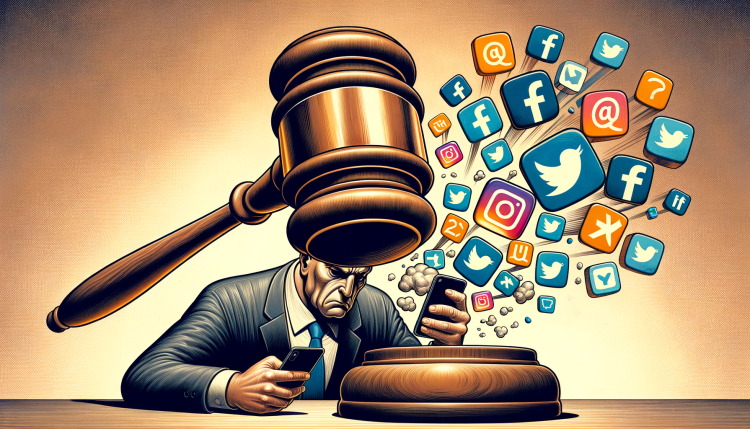
In a report by The New York Times, it has come to light that the European Union (EU) is considering a hefty fine against Elon Musk’s social media platform, X. The proposed penalty could reach up to $1 billion, and it is believed that EU regulators might factor in the revenue from Musk’s other high-profile businesses, such as Tesla and SpaceX, to arrive at this figure. This move shows the strict stance that the EU is taking with respect to ensuring compliance with its Digital Services Act (DSA), a law that aims to regulate activities in the online space to make the internet a safer platform for users.
Potential Fine
- Potential Fine: The European Union is considering imposing a fine of $1 billion on Elon Musk’s company X for allegedly violating the Digital Services Act (DSA). This fine could incorporate revenue from Musk’s other companies, such as Tesla and SpaceX.
Allegations
- Allegations: The reports suggest that X has not complied with regulations set out in the DSA, which aims to make the internet safer and more responsible by preventing illegal and harmful activities online.
Political Censorship Claims
- Political Censorship Claims: X’s Global Government Affairs team has criticized the potential fine, calling it an “unprecedented act of political censorship.”
Understanding the Digital Services Act
The Digital Services Act was implemented in October 2022 and is designed to rein in social media companies. It imposes certain responsibilities on these enterprises to prevent illegal and harmful activities online. Under the act, companies can be fined up to 6% of their global revenue for any non-compliance. While the specific nature of X’s alleged violations remains unclear, the threat of such a high fine underscores the EU’s intent to ensure that digital platforms operate responsibly and transparently.
Reactions from X
The potential fine has drawn a strong reaction from X’s Global Government Affairs team, which argued that such actions represent an “unprecedented act of political censorship.” They seem to imply that the EU’s tactics are more about controlling speech and restricting a company’s ability to operate freely than about enforcing genuine safety concerns. This case highlights the ongoing tension between major tech companies and global regulatory bodies as they navigate issues related to freedom of expression, corporate governance, and the role of technology in society.
Hot Take
Hot Take: The EU’s potential fine against X raises significant questions about the balance between regulatory oversight and freedom of expression in the digital age. With massive companies like X spanning multiple sectors, using cross-revenue for penalties highlights the broad reach regulators are willing to take. While regulation is essential to ensure responsible online behavior, there is a thin line between governance and censorship. This situation serves as a crucial test case for how such boundaries are drawn in the future.