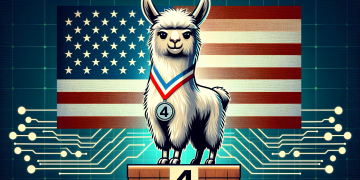





Meta’s AI Advancement: Llama 4 and the Future of AI
Meta, a major player in the tech industry and owner of popular social media platforms like Facebook and Instagram, has announced its newest AI models, called Llama 4. Meta claims these models are better than other AI technologies currently available, showcasing their significant advancements in artificial intelligence. Llama models are part of a larger trend where Meta seeks to innovate and push boundaries within the open-source AI community, enabling broader access and contribution to AI technologies by researchers and developers around the world.
U.S. AI Leadership
David Sacks, the White House advisor on AI and crypto, claims this latest development puts the U.S. ahead in the global race for AI dominance, specifically emphasizing the importance of open-source contributions like Llama 4.
Ongoing US-China AI Competition
The importance of advancements like Meta’s Llama 4 in the broader context of international competition, especially between the U.S. and China, is significant. Sacks shared that the U.S. is in stiff competition with China, but remains confident in the U.S.’ ability to lead, urging continued effort and innovation.
His remarks reference the global rivalry, emphasizing how Meta’s open-source approach plays a critical role in maintaining U.S.’s leadership in technology. Open-source projects in AI, like Llama 4, are vital in fostering innovation and collaboration.
Continuous Innovation is Key
The broader sentiment, as expressed by Sacks, is that while he is confident in the U.S.’s ability to maintain its leadership in AI, he warns against complacency. The competition with China, a nation investing heavily in technology, is fierce and ongoing. Therefore, while Llama 4 represents a step forward, continuous innovation and dedication are essential to maintaining global leadership in AI technologies.
My hot take: The release of Llama 4 by Meta underscores the pivotal moment we’re in for AI advancement. As powerhouses like Meta push the envelope further and faster, it highlights the strategic importance of open-source platforms in driving innovation and securing technological dominance. However, this should also remind us to address ethical implications as we advance AI capabilities.