



Libya’s Currency Devaluation: Key Points and Implications
Key Points from the Article:
- Libya devalues its currency for the first time since 2021: As of January 3, 2024, Libya’s central bank set a new official exchange rate for the Libyan dinar (LYD), weakening it sharply against the US dollar from 4.80 to 6.00 LYD/USD.
- Reasons behind the devaluation: The devaluation follows ongoing economic and political instability, continued inflationary pressures, and reduced foreign reserves due to lower oil production and exports.
- Market and economic implications: This move will likely lead to short-term inflation, more expensive imports, and pressure on citizens’ purchasing power, while potentially improving exporter competitiveness and reducing black-market disparities.
Elaborated Content in Simple Terms
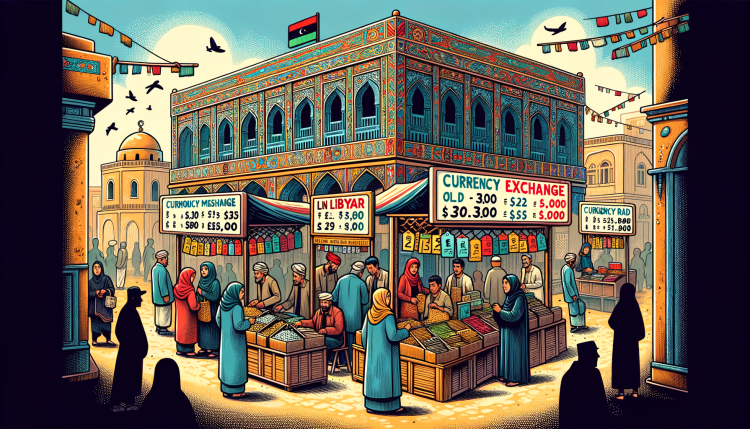
Libya’s central bank has officially devalued its currency, the Libyan dinar (LYD), for the first time in four years. The rate changed significantly, weakening the dinar from 4.80 to 6.00 LYD per US dollar on January 3, 2024. This means that now, it takes more dinars to buy one dollar, reducing the value of the local currency. This decision is tied to the ongoing political divide in the country, low oil output, and declining foreign currency reserves — all of which make it harder for the central bank to support the dinar’s value.
By devaluing its currency, Libya is trying to fix the gap between the official exchange rate and the much higher black-market rate. Many Libyans use the unofficial market when buying foreign goods or travel, as it offers more realistic pricing. The devaluation could help unify the exchange system and allow for better control of monetary policy. But there’s a trade-off: things that Libya imports (like food and fuel) will likely become more expensive, possibly worsening inflation and affecting ordinary citizens’ wallets.
From a market perspective, while a weaker dinar could help increase revenues in local currency from oil exports (Libya’s main source of income), it may also lead to more inflation domestically. For international businesses and forex traders, this is a sign of instability. According to Trading Economics, as of early April 2024, the LYD/USD rate is still hovering around the 6.00 mark. There is also upward pressure on the USD/LYD due to continuous issues in Libya’s oil fields, with OPEC reporting nearly a 10% output drop year-over-year. Oil prices remain volatile, with Brent crude currently trading around $89 per barrel, partially affected by Libya’s unstable output.
Technical Analysis & Market Impact
On the forex front, the LYD weakness has not significantly impacted major currency pairs due to its limited global trading availability. However, Middle Eastern and African forex baskets may experience indirect volatility. For example, the USD has strengthened marginally against several North African currencies in correlation. Meanwhile, oil — Libya’s biggest export — experienced short-term upward pressure from fears of reduced supply. Brent Crude rose from around $86/barrel in late December 2023 to approximately $89/barrel in early April 2024, supported by geopolitical concerns across the region.
Hot Take
Libya’s currency devaluation is yet another example of how political fragmentation, combined with economic mismanagement, can drive a country into difficult fiscal decisions. While rebalancing the currency rate might help in aligning the formal and informal sectors, the real burden often falls on everyday citizens facing increased costs of living. For investors, it’s a reminder to monitor not just traditional market signals but also geopolitical stability — especially in resource-rich but troubled regions like Libya. The fate of the dinar in 2024 will largely depend on efforts towards political reconciliation and stabilization of the oil sector.