



The Render Network: Revolutionizing GPU Rendering
Key Points:
- Submitting Jobs & Using Tokens: To use the Render Network, users submit rendering jobs, set their preferences, and allocate RNDR tokens, which facilitate the decentralized process.
- Connecting Resources: The network allows GPU owners to rent out their idle graphics power for tasks like AI training, 3D rendering, and crypto projects, making use of otherwise underutilized resources.
- Benefits of Decentralization: Decentralized rendering through the Render Network is cheaper and more scalable than traditional centralized GPU services, addressing issues like pricing, scalability, and vendor restrictions.
Elaboration:
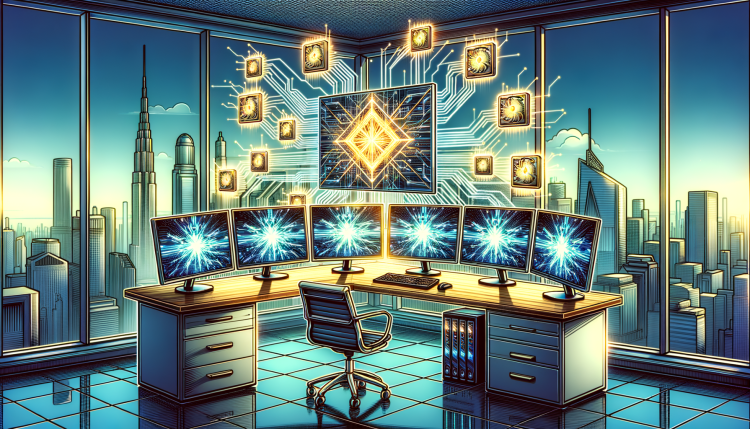
The Render Network is essentially a marketplace where creators in need of high-performance computing power can rent it from GPU owners who have extra capacity available. When creators need to process complex tasks such as AI model training or 3D image rendering, they can post their requirements to the network. They do this by submitting their rendering jobs, specifying their needs, and utilizing RNDR tokens—cryptocurrency used within the network—to pay for the service.
The beauty of the Render Network lies in its ability to efficiently connect these two parties. It ensures that powerful GPUs, which might otherwise sit idle and unused, are put to good use. This not only maximizes the use of existing resources but also helps creators access the computing power they need without having to invest in expensive hardware themselves. The network facilitates a wide range of activities from visual effects rendering in films to AI model training, as well as various applications in the crypto space.
By facilitating decentralized transactions, Render Network stands out by being more cost-effective, flexible, and scalable compared to traditional centralized GPU services. Traditional services often suffer from high costs and system bottlenecks, and users can experience vendor lock-in—where they become overly reliant on a single service provider. Decentralization via Render Network aids in overcoming these issues, making high-end computing more accessible to a broader range of users and applications.
Hot Take:
The Render Network is a game-changer in the computing space. By bridging the gap between supply and demand for GPU power in a decentralized manner, it lowers barriers for creative and technical innovation. This model not only democratizes access to high performance computing but also challenges traditional GPU resource providers to rethink their strategies, potentially leading to a disruption in the computing market. As blockchain and decentralized solutions continue to evolve, the Render Network could pave the way for more efficient and sustainable tech practices across industries.