



The Growing Landscape of Stablecoins
Key Points:
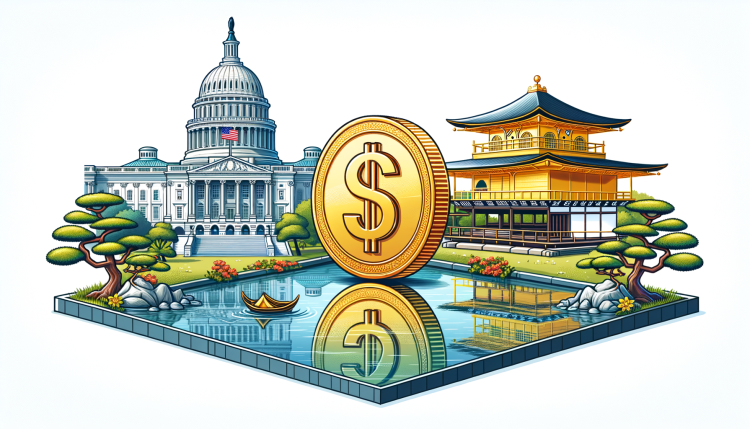
- Growing Adoption of Stablecoins in the US and Japan: Stablecoins, cryptocurrencies pegged to stable assets like the US dollar, are gaining popularity in the US and Japan, highlighting their growing role in financial systems.
- Regulatory Hurdles in the EU: While stablecoins are being embraced in some countries, they’re facing regulatory challenges in the European Union due to stricter compliance requirements under the newly passed Markets in Crypto-Assets (MiCA) regulatory framework.
- Market and Political Dynamics: The dynamics around stablecoins are also influenced by political and economic policies, such as those proposed by former President Donald Trump, impacting the perception and future role of the US dollar globally.
In recent developments, stablecoins, which are cryptocurrencies designed to maintain a stable value by being tied to a fiat currency like the US dollar, are becoming more widely adopted in countries like the United States and Japan. These digital currencies offer the benefits of cryptocurrency, such as fast transactions and security, while minimizing volatility. In the US, critical legislative measures concerning stablecoins have been discussed in Congress, highlighting their importance. However, these efforts have sparked debates among lawmakers, especially regarding the involvement of companies like Coinbase in becoming financial giants.
Conversely, in Europe, regulatory authorities have taken a firmer stance on stablecoins, requiring them to comply with the Markets in Crypto-Assets (MiCA) regulatory package. This package, approved by the European Union in 2023, sets out the legal framework for cryptocurrencies, including stablecoins, to ensure consumer protection and financial stability. As a result, several digital currency exchanges in the EU have been delisting non-compliant stablecoins, presenting challenges for maintaining these digital assets on their platforms.
The global adoption of stablecoins is also influenced by the evolving economic and political landscape, particularly regarding the US dollar’s role in the world economy. With past presidents like Donald Trump advocating for policies that impact financial systems worldwide, the importance of maintaining a strong, stable currency backed by the US is underscored. These policies fuel discussions on how cryptocurrencies, and stablecoins in particular, might be used to uphold or challenge the US’s economic influence.
My hot take: Stablecoins are gaining momentum as a familiar, less volatile option in the world of digital currencies, especially where economic stability and global influence are concerned. While the US and Japan appear to be moving towards broader adoption and integration into their financial systems, the European Union’s strict regulatory stance indicates a tension between innovation and oversight. It will be interesting to see how these regulatory frameworks shape the future landscape for stablecoins and whether they will manage to balance fostering innovation while protecting economic and financial stability.