



British Pound Hits 8-Month Low Against Euro Amid Trade War Tensions and Interest Rate Uncertainty
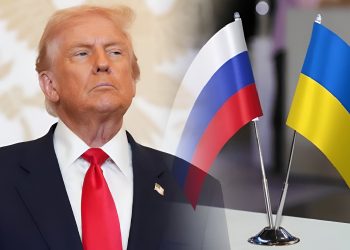
The British Pound (GBP) has dropped to its lowest level in eight months compared to the Euro (EUR). The decline was influenced by political and economic uncertainty, including comments from Donald Trump about possible new tariffs on the European Union, and market doubts about UK interest rate decisions.
🔑 Key Points:
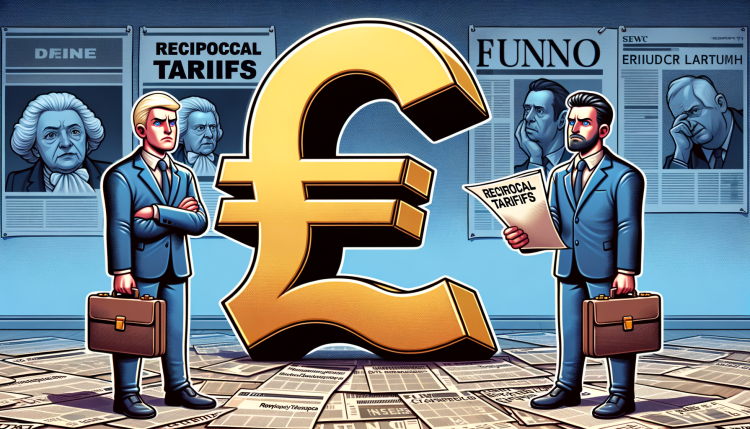
- Content: The GBP weakened as markets reacted to comments from Donald Trump supporting new tariffs on EU goods, fueling fears of a trade war.
- Market Impacts: Traders are repositioning on expectations that the Bank of England may delay rate cuts, while the Euro holds steady due to more stable monetary policy.
- Technical Analysis & Price Update: EUR/GBP hit 0.8565, an eight-month high, with momentum suggesting the possibility of further EUR strength and GBP weakness.
📰 Article in Simple Terms:
The British Pound has dropped to its lowest value against the Euro in eight months. This sudden dip happened after former U.S. President Donald Trump said he would implement “reciprocal tariffs” on European Union goods if he wins the upcoming election. These comments spooked investors and reignited fears of a global trade war, which can hurt economies. When countries increase tariffs on each other, it usually slows down trade and can affect currency strength. Investors are concerned that if such a scenario happens, the U.K. economy might suffer more, thus weakening the Pound.
At the same time, investors are unsure about what the Bank of England will do with interest rates. While inflation in the U.K. has been gradually cooling, recent data still shows some signs of stickiness — meaning living costs aren’t dropping as fast as expected. Meanwhile, the European Central Bank (ECB) is seen as being more predictable with its policies. This makes the Euro a bit more attractive to investors, especially when compared to the uncertain outlook for the Pound. As a result, people are moving their money into the Eurozone, weakening the Pound even more.
From a chart-watcher’s perspective (technical analysis), the EUR/GBP exchange rate has broken past key resistance levels and now hovers around 0.8565 (as of July 9, 2024). This is the highest that this exchange rate pair has been since November 2023. If momentum continues, the pair could rise to 0.8600. Traders are now watching upcoming U.K. economic reports closely, including inflation and wage growth data, to guess what the Bank of England might do next.
📉 Latest Prices (as of July 9, 2024):
- EUR/GBP: 0.8565 (Highest in 8 months)
- GBP/USD: 1.2780 (Showing signs of weakness)
- EUR/USD: 1.0935 (Holding steady)
- Gold: $2,365 per ounce (Near-record highs as investors seek safety)
- Brent Crude Oil: $85.70 per barrel (Stable with slight gains)
🧠 Extra Takeaway for Readers:
This situation highlights how politics, like election statements and trade policies, can deeply affect currency markets. Even the possibility of a future policy (like Trump’s tariff comments) can shake investor confidence. It’s also a good reminder that interest rate expectations and inflation data are key drivers of currency value. If you’re traveling, investing, or doing business internationally, keeping an eye on central bank policies and global political events is critical.
🔥 My Hot Take:
Currency markets are like a mirror reflecting a country’s economic and political story. The Pound’s recent struggle isn’t just about numbers on a chart — it shows how sensitive financial markets are to both global politics and domestic uncertainties. With inflation still lurking and trade tensions back in the headlines, smarter investing will mean staying informed, not just hoping for the best.