



Trump’s Tariff Introductions and Market Reactions
In early April, President Trump implemented a wave of tariffs, escalating tensions on international trade and causing a stir in global markets. These tariffs, which are essentially taxes on imports, were aimed at countries that already place tariffs on American products. Trump made this move to levy taxes as a response to what he sees as unfair trade practices by other countries.
Key Points on Tariff Introductions
- Trump’s Tariff Introductions: President Trump introduced new tariffs on April 2, imposing reciprocal taxes on countries that have tariffs on U.S. goods.
- Market Reactions and Concerns: These actions caused market instability and raised concerns about a potential recession.
- Uncertainty and Division: The lack of clarity regarding how tariffs were calculated has divided opinions and left the long-term global market effects unclear.
Impact on the Economy
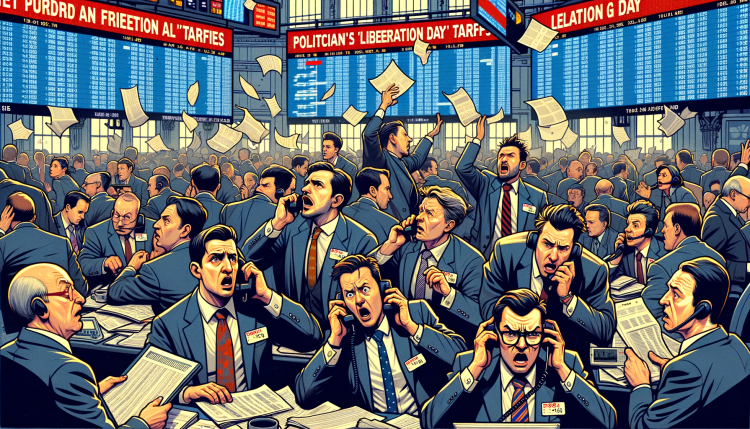
However, the rollout of these tariffs has thrown the financial markets into uncertainty, resulting in fears of an impending economic downturn, known as a recession. Market observers are expressing alarm because these tariffs introduce a new layer of complexity and instability into an already interconnected global economy.
The sudden change in import taxes means businesses could face increased costs, potentially reducing their profitability and leading to higher prices for consumers. This situation can dampen consumer spending and slow economic growth, which are both indicators that might lead to a recession. The tension is palpable as businesses and investors are wary of the risks associated with these new financial policies.
Debate Among Analysts
The introduction of these tariffs also sparked significant debate among economic analysts and crypto enthusiasts. The clarity of the methods used by the Trump administration to determine these tariff rates is in question. Some argue that this ambiguity might deter investment and affect planning for businesses globally due to the unpredictability of future tariff adjustments.
This division among observers highlights the broader questions about the direction of U.S. trade policy and its global repercussions.
My hot take: Trump’s aggressive tariff policy is akin to shaking a complex web and hoping it lands in a way that benefits the U.S. economy, but it seems like an unpredictable gamble. By trying to protect U.S. industries, this approach risks escalating trade wars, raising costs, and fostering economic instability, with the potential for far-reaching consequences. This underscores the importance of clear communication and strategic foresight in international economic policy.