




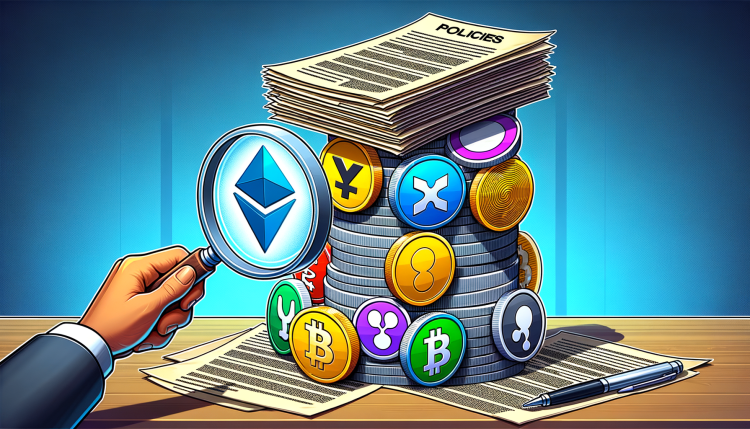
XRP’s Inclusion in the Proposed US Strategic Crypto Reserve
XRP, a major cryptocurrency managed by Ripple, has gained attention after being included in a proposed US strategic crypto reserve along with other well-known cryptocurrencies.
The executive order by former President Donald Trump called for creating a Digital Asset Stockpile managed by the Treasury, highlighting the importance of cryptocurrencies in national strategy.
There is ongoing debate within the crypto community about whether XRP deserves its place in this reserve, with questions surrounding its utility and value.
The Significance of XRP
In a bold move, former President Donald Trump brought Ripple’s XRP into the limelight by mentioning it as part of an envisioned US strategic crypto reserve. XRP, recognized as the third-largest cryptocurrency by market capitalization, has been suggested to hold “valuable” properties alongside other well-known cryptocurrencies like Bitcoin (BTC) and Ethereum (ETH). Trump’s executive order aims to establish a Digital Asset Stockpile managed by the US Treasury, reflecting his administration’s acknowledgment of the growing significance of digital currencies in economic strategy.
Controversy and Debate
Despite its inclusion in the proposed reserve, the endorsement did not come without controversy. Within the crypto community, opinions on XRP’s true value and utility remain divided. Many argue that while XRP manages to facilitate quick and inexpensive cross-border transactions, thus holding significant utility, others feel that it doesn’t match up to the technological and decentralized ideals that cryptocurrencies were originally intended to uphold. This has sparked debates on whether XRP deserves a spot in the strategic reserve or if its perceived value is inflated.
Broader Themes in Cryptocurrency
The argument over XRP also touches on broader themes within the cryptocurrency world, such as its centrality, governance, and real-world applications. Proponents of XRP emphasize its ability to swiftly process international transactions and foster financial inclusion, making it an asset worth being part of national reserves. Critics, however, point to XRP’s centralized nature under Ripple’s control, which they argue strays from the decentralized ethos of blockchain technology. This division exemplifies the ongoing reassessment of cryptocurrencies’ roles, not only as financial assets but also as symbols of technological progress and innovation.
Hot Take: The crypto community’s debate over XRP’s place in the proposed Digital Asset Stockpile highlights the constant tension between utility and ideology in the cryptocurrency space. While XRP boasts undeniable transactional benefits, its centralized nature feels at odds with the grassroots, decentralized spirit of crypto. This ongoing discourse is crucial as it will shape how cryptocurrencies are integrated into national strategies, influencing not just economic policies but the tech industry’s trajectory as well.